
*This Site may contain links to affiliate websites, and we receive an affiliate commission for any purchases made by you on the affiliate website using such links.DHE BEAUTY© 2023
SAFEGUARD YOURSELF FROM THE SUN: ESSENTIAL SKIN CARE BASICS
One of the most crucial aspects of skincare is to safeguard it from the sun. Prolonged sun exposure can cause wrinkles, age spots, and other skin problems, increasing the risk of skin cancer. Understanding these skin care basics is essential for maintaining healthy, radiant skin. Here are 5 things NOT to do for good skin care and overall skin health.
For the most comprehensive sun protection:
Use sunscreen. Apply a broad-spectrum sunscreen with an SPF of at least 15 liberally, and reapply every two hours — or more frequently if you’re swimming or sweating. Many dermatologists recommend using sunscreen as a daily part of your skincare routine to protect against premature skin aging. For enhanced protection, consider incorporating moisturizers, serums, and eye creams with SPF into your regimen.
Seek Shade. Avoid the sun between 10 a.m. and 4 p.m., when its rays are strongest. This is especially important for those with sensitive skin or those prone to hyperpigmentation.

Wear sun-protective attire. Cover your skin with tightly woven long-sleeved shirts, long pants, and wide-brimmed hats. Consider laundry additives, which give clothes an extra layer of ultraviolet protection for a certain number of washes, or special sun-protective clothing — specifically designed to block ultraviolet rays and maintain your skin barrier.
TRY NOT TO SMOKE
Smoking accelerates skin aging and contributes to wrinkles. It constricts the tiny blood vessels in the outermost layers of skin, which reduces blood flow and makes skin paler. This also deprives the skin of oxygen and nutrients that are vital for skin health.
Smoking also damages collagen and elastin — the fibers that give your skin strength and elasticity. Moreover, the repetitive facial expressions you make while smoking — such as pursing your lips when inhaling and squinting your eyes to keep out smoke — can contribute to wrinkles.
Furthermore, smoking increases your risk of squamous cell skin cancer. If you smoke, the best way to protect your skin and prevent premature skin aging is to quit! Consult your dermatologist or healthcare provider for tips or treatments to help you stop smoking.
TREAT YOUR SKIN WITH TLC
Daily cleansing and shaving can take a toll on your skin. To keep it gentle:
Limit bath time. Hot water and long showers or baths can strip oils from your skin. Limit your bath or shower time, and use warm — rather than hot — water. This is especially important for those with sensitive skin or conditions like eczema.
Avoid strong soaps. Strong soaps and detergents can strip oil from your skin. Instead, choose mild cleansers and cleanse gently. To protect and lubricate your skin, apply shaving cream, lotion, or gel before shaving. Look for products with moisturizing ingredients like hyaluronic acid or ceramides to support your skin barrier.
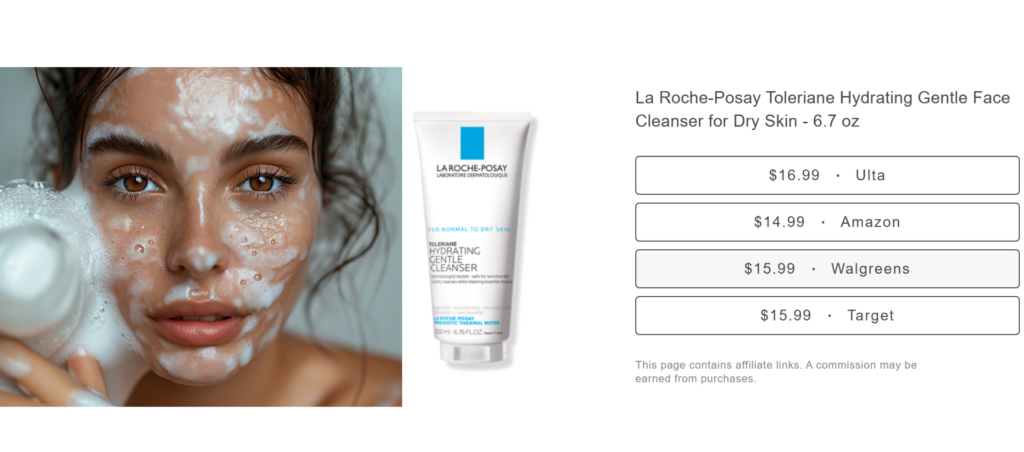
For the closest shave, use a clean, sharp razor. Shave in the direction the hair grows, not against it. After bathing, gently pat or blot your skin dry with a towel so some moisture remains on your skin. Moisturize dry skin immediately after. If your skin is dry, use a moisturizer that suits your skin type. For daily use, consider a moisturizer that contains SPF for added protection against skin aging.
MAINTAIN A HEALTHY DIET
A healthy diet can help you look and feel your best, contributing to overall skin health. Eat plenty of fruits, vegetables, whole grains, and lean proteins. The relationship between diet and acne isn’t clear — but some research suggests that a diet rich in fish oil or fish oil supplements and low in unhealthy fats and processed or refined carbohydrates might promote younger-looking skin.
Drinking plenty of water also helps keep your skin hydrated. Proper hydration is crucial for maintaining skin elasticity and preventing dryness. Some dermatologists recommend incorporating foods rich in antioxidants, like berries and leafy greens, to combat oxidative stress and support skin health. Additionally, consuming foods high in vitamin C and retinol can help improve skin tone and promote collagen production.
MANAGE STRESS LEVELS
Uncontrolled stress can make your skin more sensitive and trigger acne breakouts and other skin problems. To promote healthy skin — and a healthy state of mind — take steps to manage your stress. Get enough sleep, set reasonable limits, scale back your to-do list, and make time to do the things you enjoy. The results might be more dramatic than you expect.
Consider incorporating stress-reduction techniques like meditation or yoga into your daily routine. These practices not only benefit your mental health but can also have positive effects on your skin by reducing inflammation and promoting better sleep, which is crucial for skin repair and regeneration.
Remember, a consistent skincare routine using appropriate products for your skin type, along with a healthy lifestyle, is key to achieving and maintaining the best skin possible. This includes regular exfoliation and the use of chemical exfoliants to remove dead skin cells and promote cell turnover. However, be cautious not to over-exfoliate, as this can lead to irritation and skin sensitivity.
Possible Skin Conditions
If you’re dealing with specific skin concerns such as pimples, blackheads, or blemishes, it’s essential to address them with targeted treatments. For oily skin, look for products that help control sebum production without over-drying. Those with dry or sensitive skin should focus on gentle, hydrating products that support the skin barrier.
If you have persistent skin concerns or are interested in anti-aging treatments, don’t hesitate to consult a dermatologist or esthetician for professional skin care advice and treatment options. They can provide personalized recommendations based on your skin type and concerns, which may include advanced treatments like chemical peels, microdermabrasion, or the use of active ingredients such as salicylic acid or niacinamide.
By following these skin care basics and seeking professional advice when needed, you can maintain healthy, radiant skin at any age.
This page contains affiliate links. A commission may be earned from purchases.
0 Comments